Leading with Intention: Mastering Uncertainty in Your PhD and Postdoc Journey
- Laras Fadillah
- Oct 2, 2025
- 4 min read

Navigating a PhD and postdoc journey often feels like sailing through rough seas. The uncertainty that accompanies this academic experience can be intimidating, but it can also serve as a chance for growth and self-discovery. In this post, I’ll share how I learned to guide my journey with intention, transforming uncertainty into a powerful tool for personal and professional development.
Embracing Uncertainty
Uncertainty is an unavoidable aspect of academia. From the moment you start your PhD, you encounter questions that may not have clear answers. Will your research produce significant results? Will you connect with the right advisor? What will your career look like after graduation?

Instead of viewing uncertainty as a hurdle, I chose to embrace it as a natural part of my journey. This change in mindset allowed me to face challenges with curiosity rather than fear. For instance, when my initial research proposal faced key challenges, I discovered exciting new directions that enhanced my project. Accepting that I couldn't control every detail of my journey opened up new avenues for exploration and innovation.
Setting Intentions
One of the most effective strategies I adopted was setting clear intentions for my academic journey. Intentions are more than just goals; they guide your actions and decisions. Each semester, I took time to reflect on what I aimed to achieve, both academically and personally.
For example, I focused on building relationships with peers, actively seeking mentorship, and maintaining a healthy work-life balance. By articulating these intentions, I created a personalized roadmap that helped me navigate the unpredictable nature of my PhD and postdoc experiences.
Building a Support Network
Navigating the unknown becomes much simpler with a strong support network. I prioritized connecting with fellow students, faculty, and mentors who could provide valuable guidance and encouragement.
Sharing my experiences and challenges with others helped me feel less isolated and opened the door to fresh insights and solutions. Whether it was discussing research ideas over coffee or getting advice on potential career paths, these connections proved to be invaluable resources during my journey. According to a survey by the Graduate School of Education, having a supportive network can enhance academic performance by up to 20%.
Cultivating Resilience
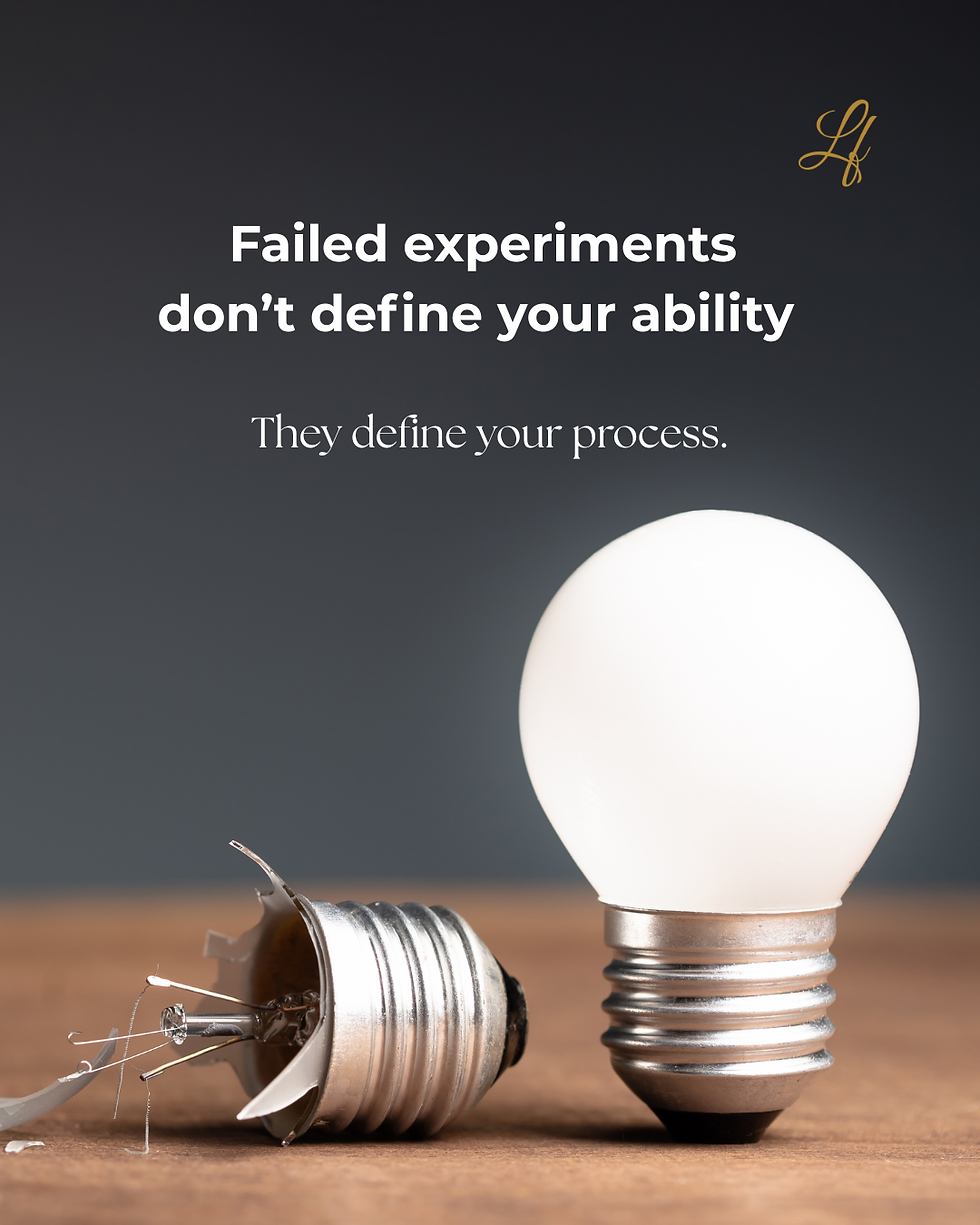
Resilience is essential for anyone in academia. Setbacks, rejections, and moments of self-doubt are inevitable. I learned that resilience involves developing a mindset that lets you recover from these challenges.

I practiced self-compassion, reminding myself that it’s normal to struggle, and setbacks are part of the learning process. I also sought opportunities for personal growth, such as attending workshops on stress management and mindfulness. Research shows that mindfulness can enhance resilience and improve academic performance by reducing stress.
Staying Flexible
While setting intentions is important, remaining flexible is equally vital. The academic landscape is always changing, and new opportunities can arise when you least expect them.
I learned to adapt my plans and embrace new experiences. For instance, when one research project didn't go as planned, I pivoted to a different area of interest that ultimately led to groundbreaking discoveries in my field. By staying flexible, I turned unexpected challenges into growth opportunities, demonstrating that adaptability can lead to success.
Celebrating Small Wins
In the midst of uncertainty, it's easy to overlook small victories. I made it a routine to celebrate achievements, no matter how minor they seemed.
Be it completing a tough experiment, receiving positive feedback on a paper, or simply sticking to a healthy routine, recognizing these wins kept me motivated and focused. Acknowledging small victories reinforced my belief in my abilities, especially during challenging times. Celebrating progress, even in small steps, is crucial for maintaining morale.
Seeking Feedback
Feedback is a vital part of the academic journey, but it can feel intimidating to ask for it. I learned that constructive criticism is a powerful tool for growth.
I made a point of regularly seeking feedback from advisors and peers. This habit not only improved my work but also offered diverse perspectives that enriched my research. Viewing feedback as a chance for learning, rather than a personal critique, boosted my confidence in navigating uncertainty.

Maintaining Balance
The challenges of a PhD and postdoc can easily lead to burnout if you’re not careful. I quickly recognized that maintaining a healthy work-life balance was essential for my overall well-being.
I set aside time for hobbies, exercise, and socializing, ensuring that I didn’t lose touch with what brought me joy outside of academia. By prioritizing self-care, I became better equipped to handle the stresses and uncertainties of my academic journey.
In research, uncertainty isn't a setback, it's the canvas where resilience, discovery, and growth are painted.
Leading with intention amidst uncertainty has transformed my PhD and postdoc experience into a path of growth and learning. By embracing uncertainty, setting clear intentions, building a strong support network, cultivating resilience, remaining flexible, celebrating small victories, seeking feedback, and maintaining balance, I learned to navigate academia with confidence.
As you embark on your journey, remember that uncertainty is not something to fear but an opportunity to grow. By leading with intention, you can master the challenges ahead and emerge stronger on the other side.
The destination is only part of the story. It's about the journey and the valuable lessons learned along the way. Embrace uncertainty, lead with intention, and see how your academic adventure unfolds in ways you never imagined.

Comments